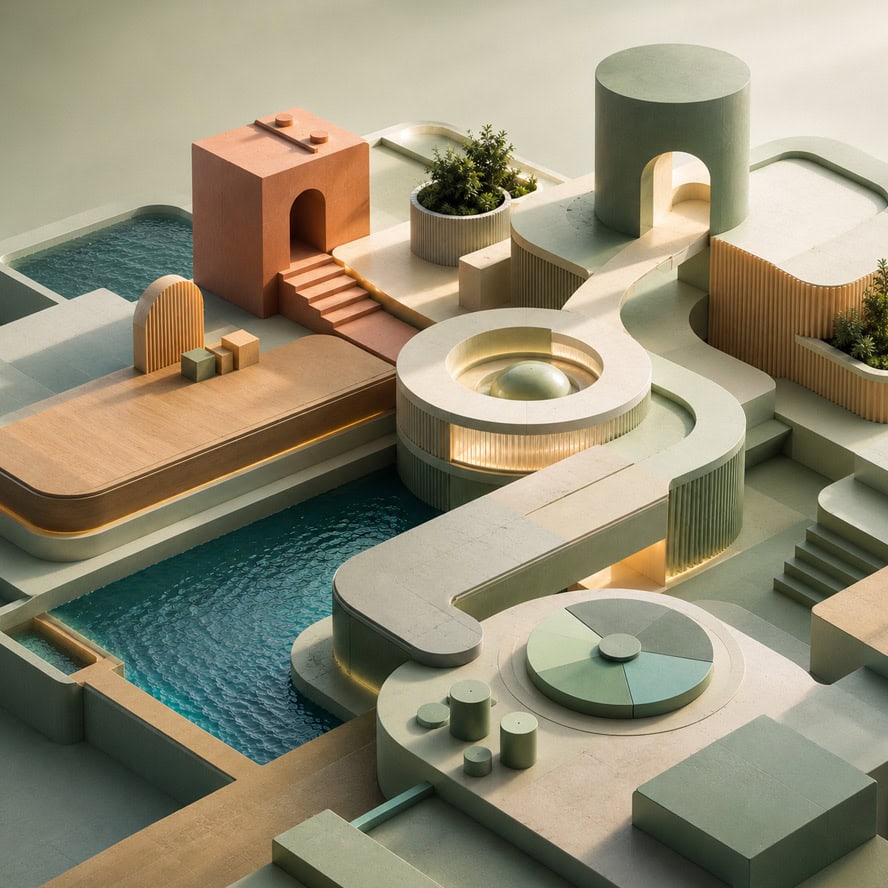
Design systems that turn brand consistency into structure.

I create reusable components, visual rules and AI-supported documentation to keep digital products coherent as they grow.

A design system keeps growth under control.

As a business grows, every new page, campaign, feature, material and collaborator adds complexity. A design system gives that complexity a shared structure, so the brand can scale without losing coherence, speed or quality.

From brand identity to operational structure.

From brand identity to operational structure

Brand identity defines positioning, visual language and tone. A design system translates those principles into reusable components, clear rules and structured implementation.

Typography scales consistently, color usage follows defined hierarchies, layout grids maintain order and interaction patterns remain predictable across platforms.

Reusable components reduce cost and friction.

Reusable components reduce cost and friction

Buttons, cards, forms, navigation patterns and content modules become standardized building blocks. Each new page or campaign starts from a solid foundation rather than from scratch.

This approach reduces revision cycles, accelerates production and protects visual coherence across website, ecommerce and marketing assets.


Design and development alignment.

Design Development Alignment

A structured system improves collaboration between design and technical teams. Components, variables, spacing rules, naming conventions and documented patterns create clarity during implementation.

This reduces inconsistencies, simplifies updates and keeps the product easier to maintain over time.

AI in design system work.

AI can support design system work by helping review naming, organize documentation, compare component variants, check consistency across patterns and refine usage rules.

AI supports design decisions by making the system clearer, easier to maintain and faster to evolve.

Scalability and governance.

Design Systems Scalability Governance

As projects evolve, visual chaos can easily emerge. A design system introduces governance: shared libraries, structured documentation and controlled evolution of components.
The result is a brand that scales without losing identity or operational efficiency.

Business impact.

A design system helps teams move faster without lowering quality. Marketing pages, ecommerce flows, product screens and brand materials can share the same visual logic, reducing confusion for users and unnecessary rework for teams and partners.

Design Systems Business Impact