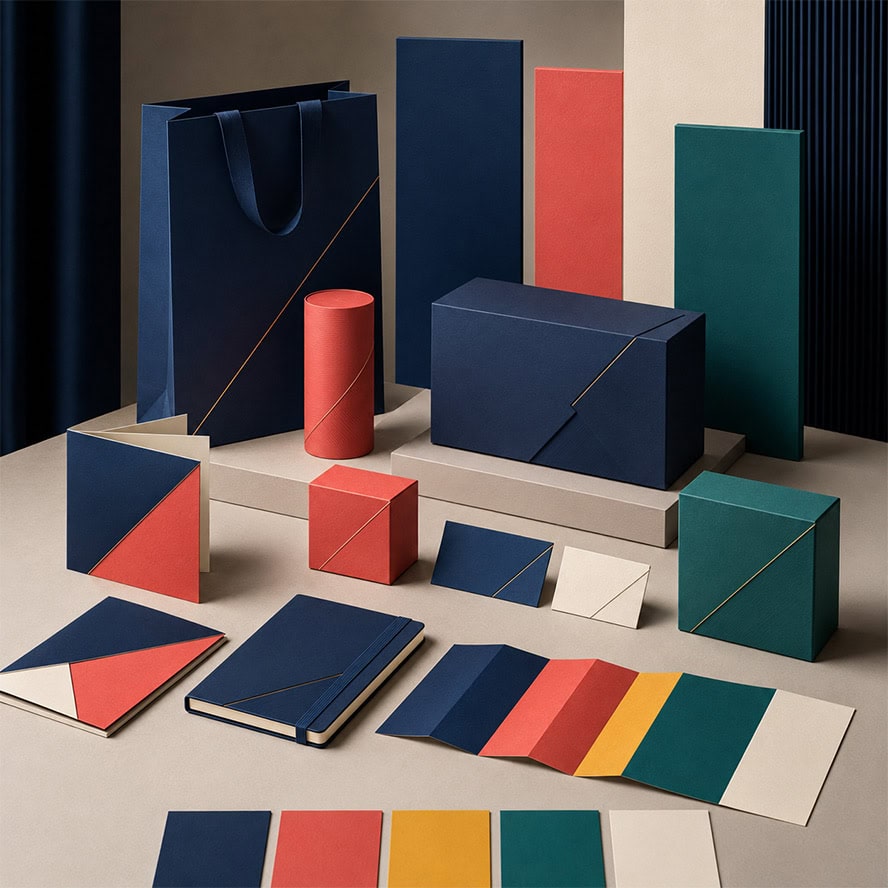
Print, packaging and presentations that make brands tangible.
I design brochures, flyers, books, ebooks, presentations and packaging materials that extend brand identity beyond the screen.
Physical touchpoints for stronger brand presence.
A brand does not live only on a website, a platform or a social profile. Printed materials, packaging, presentations, books, ebooks and commercial documents create real contact points between a business and its audience.
Paper, materials, formats, finishes and physical presence still matter. They add weight, trust and recognition when design, content and production choices follow the same brand direction.
Brochures, flyers and commercial materials.
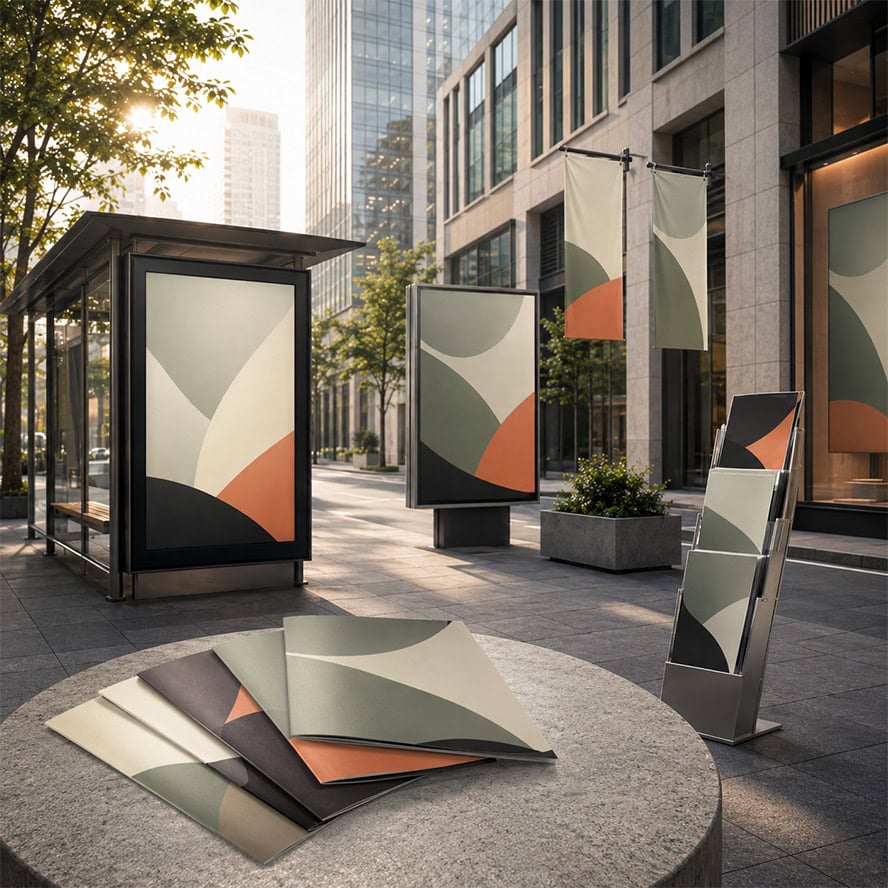
Print design can support sales, events, launches, corporate communication and product presentation. Brochures, flyers, leaflets, posters, banners, advertising layouts and promotional materials need more than aesthetic treatment.
They need hierarchy, readable content, clear messages, strong visual rhythm and coherent brand application. A printed piece should help people understand the offer, remember the brand and take the next useful action.
Books, ebooks and editorial design.
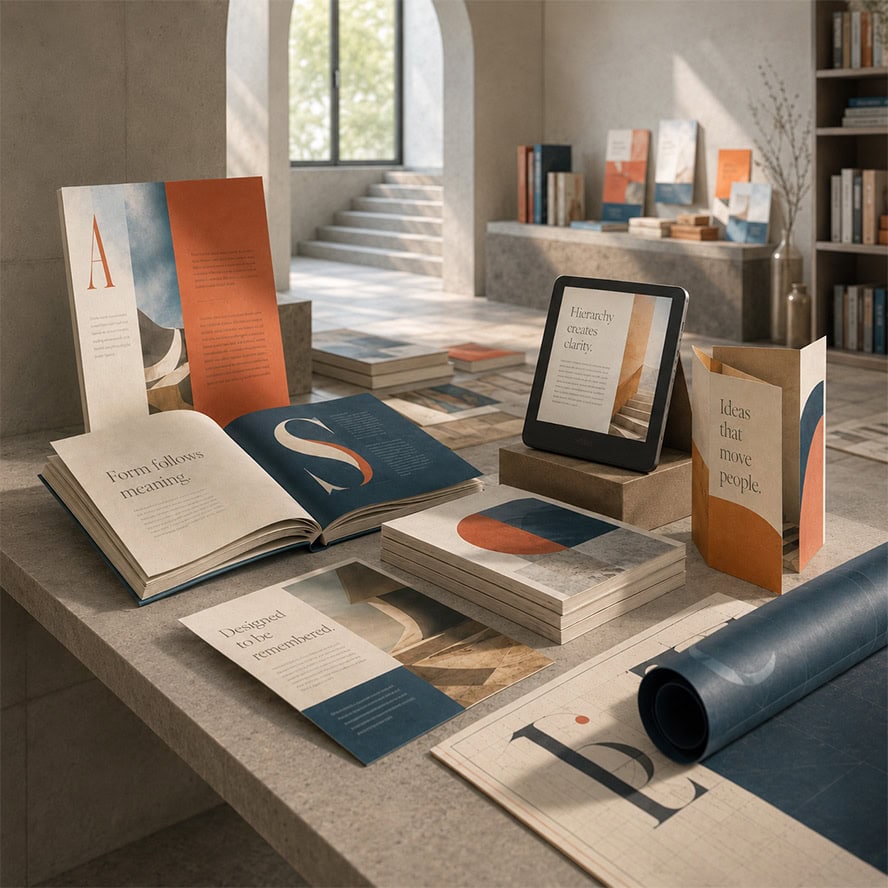
Editorial projects require structure, patience and attention to detail. Covers, page layouts, typography, image treatment, chapter hierarchy and digital versions need to work together, especially when the same content must live both as a printed book and as an ebook.
My direct experience with self-publishing helped me understand the full process: content structure, cover design, layout preparation, digital adaptation and platform requirements. This makes editorial design a practical project, not just a graphic exercise.
Presentation design and business documents.
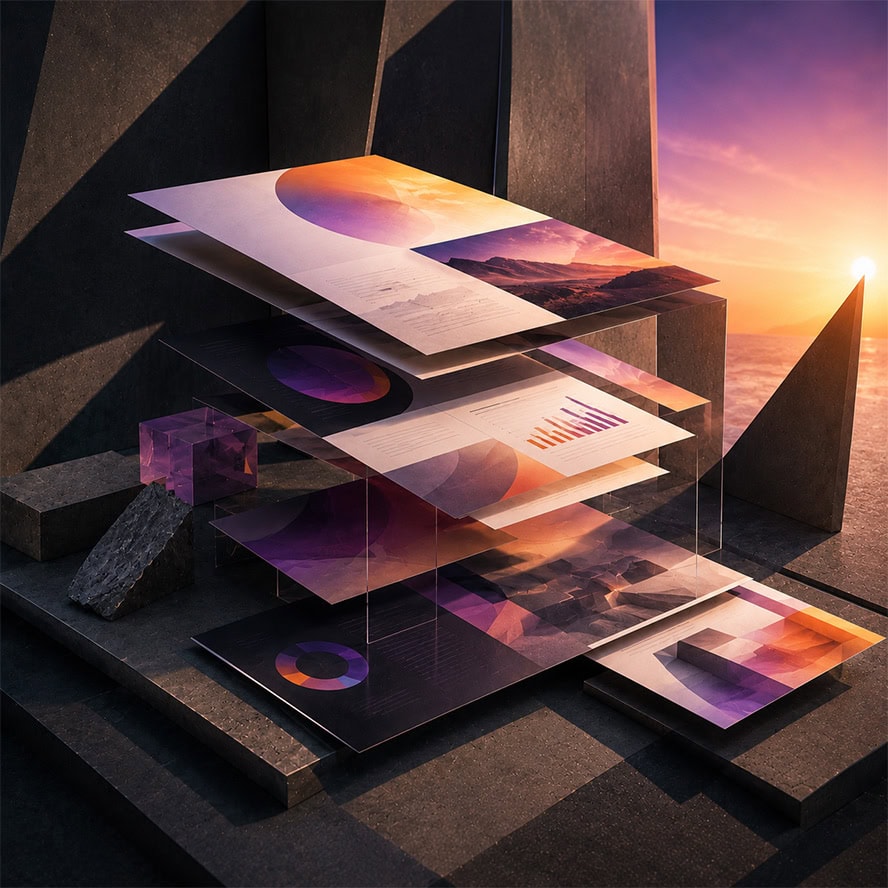
Presentations are often one of the most important business touchpoints. Pitch decks, company profiles, sales decks, commercial proposals and PDF documents need to communicate quickly, look credible and guide attention slide after slide.
Good presentation design connects storytelling, hierarchy, visual identity and clarity. The goal is to help a company explain ideas, products, services or projects with more structure and stronger visual control.
Packaging design and product communication.

Packaging design brings brand identity into one of the most competitive contexts: the product shelf. A package needs to attract attention, communicate clearly and remain consistent with the brand while respecting practical and regulatory constraints.
I focus on the visual and communication side of packaging: labels, graphic systems, product lines, information hierarchy, barcode placement, legal text areas, readability and brand recognition.
Packaging engineering, structural design and industrial production require specific technical specialists, but visual design must still support the product correctly.
Brand, print and packaging as one system.
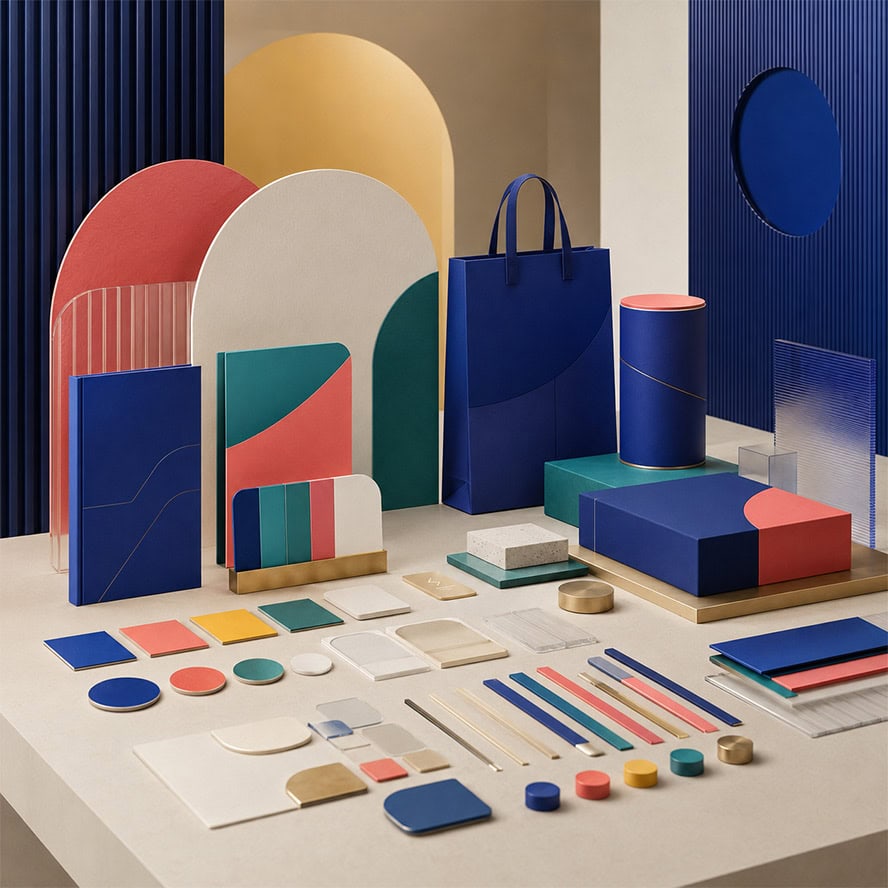
Print and packaging work better when they connect with brand identity, digital design and merchandising. A brochure, a label, a presentation, a book cover or a branded object should feel part of the same visual world.
This approach helps companies maintain consistency across digital, printed and physical materials, with a stronger family feeling across every touchpoint.
AI-supported visual production.
AI can support print and packaging work through research, visual exploration, image editing, copy refinement, presentation structure, mockup generation and creative variations. It helps explore directions faster and test alternatives before final production.
The final result still needs design judgment, production awareness and brand control. Print and packaging require precision, because mistakes become physical, visible and often expensive.
Main areas for print, packaging and presentation design.
- Brochures, flyers, leaflets and promotional materials.
- Posters, banners and advertising layouts.
- Company profiles, sales decks and business presentations.
- Pitch decks and project presentations.
- PDF documents, commercial proposals and digital brochures.
- Books, ebooks, covers and editorial layouts.
- Packaging graphics, labels and product lines.
- Information hierarchy, barcode areas and legal text layout.
- Print-ready files and production-oriented preparation.
- Brand applications across printed and physical touchpoints.
- AI-supported research, visual exploration, mockups and content refinement.